

Past Projects
Urban Environments Initiative (2019–2021)
The Urban Environments Initiative, coordinated by LMU and TUM, and based at the Rachel Carson Center, brings together researchers working on urban environmental issues from various international institutions.
Cool Infrastructures (2020–2023)
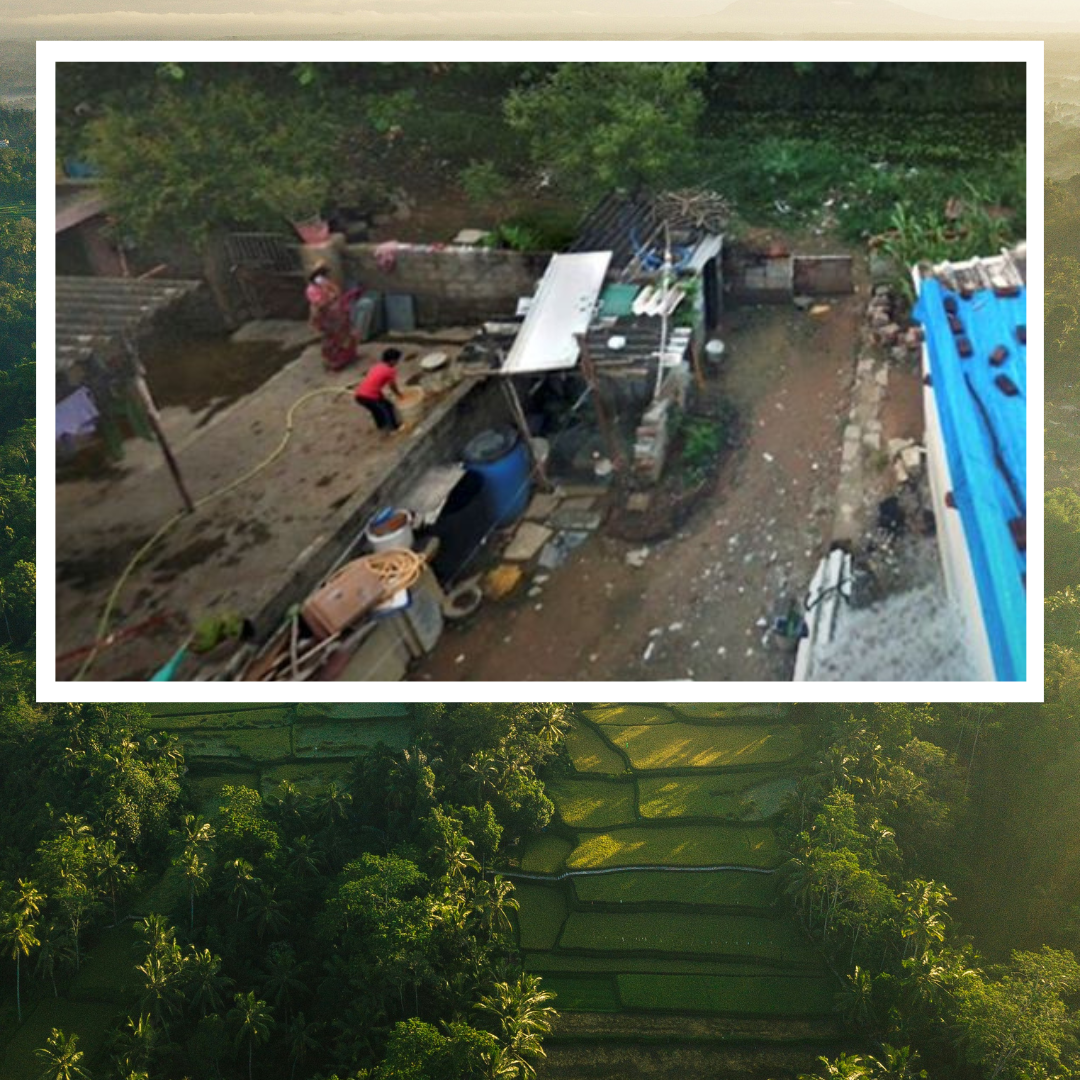
“Cool Infrastructures: Life with Heat in the Off-Grid City” is a three-year UK Global Challenges Research Fund project. It examines the everyday strategies through which people in India, Pakistan, Indonesia, and Cameroon manage exposure to heat when they have limited access to power, water, and other services.
Corridor Talk (2020–2023)
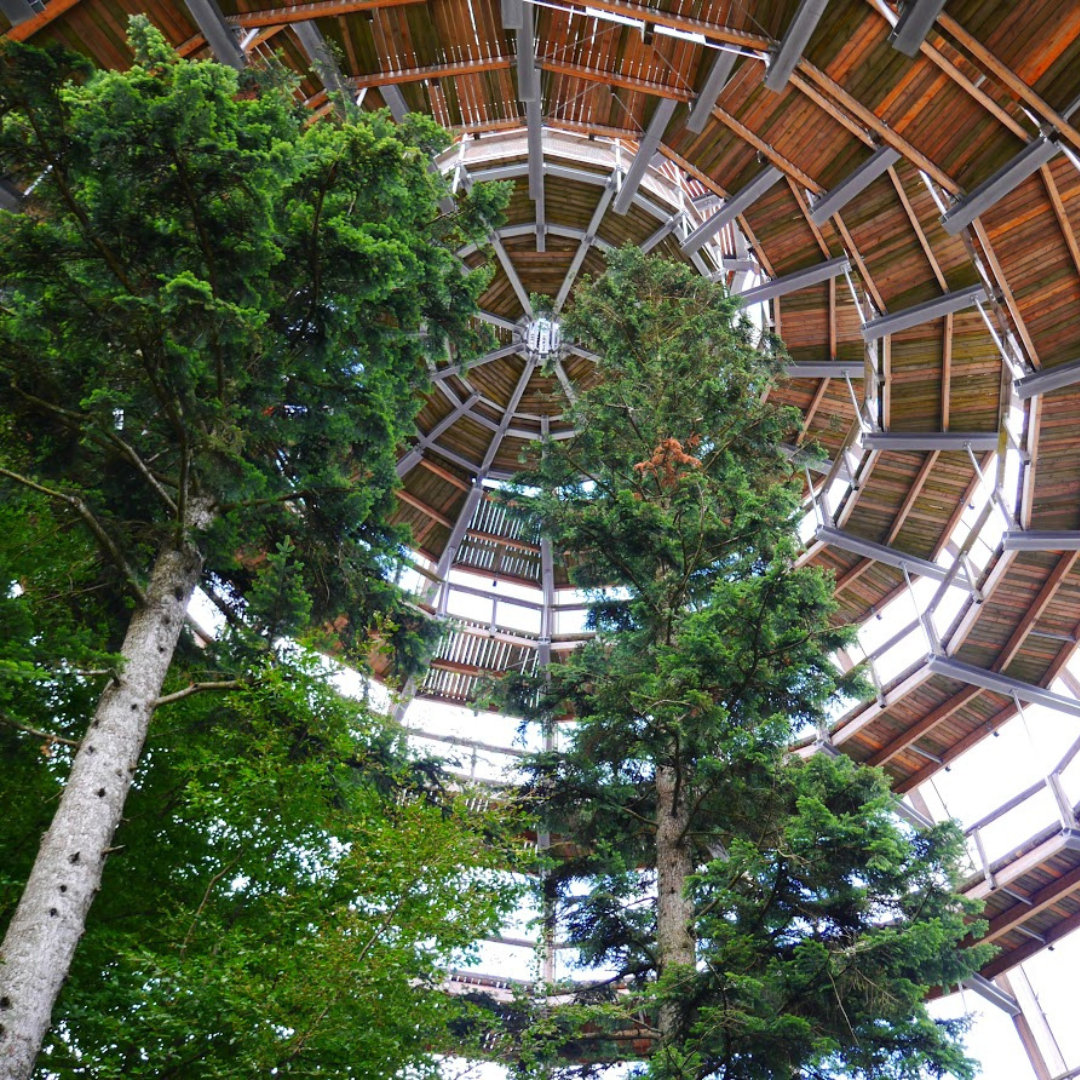
“Corridor Talk: Conservation Humanities and the Future of Europe's National Parks“ examines humanistic aspects of biodiversity loss. The project is jointly funded by the DFG and AHRC.
COVID-19 Vulnerability Assessment and Community Engagement (2020–2021)

"COVID-19 Vulnerability Assessment and Community Engagement" is a two-year research that aims to identify and process lasting responses to the needs of populations in Munich that are most vulnerable to the COVID-19 pandemic.
Die Startbahn (2020–2023)
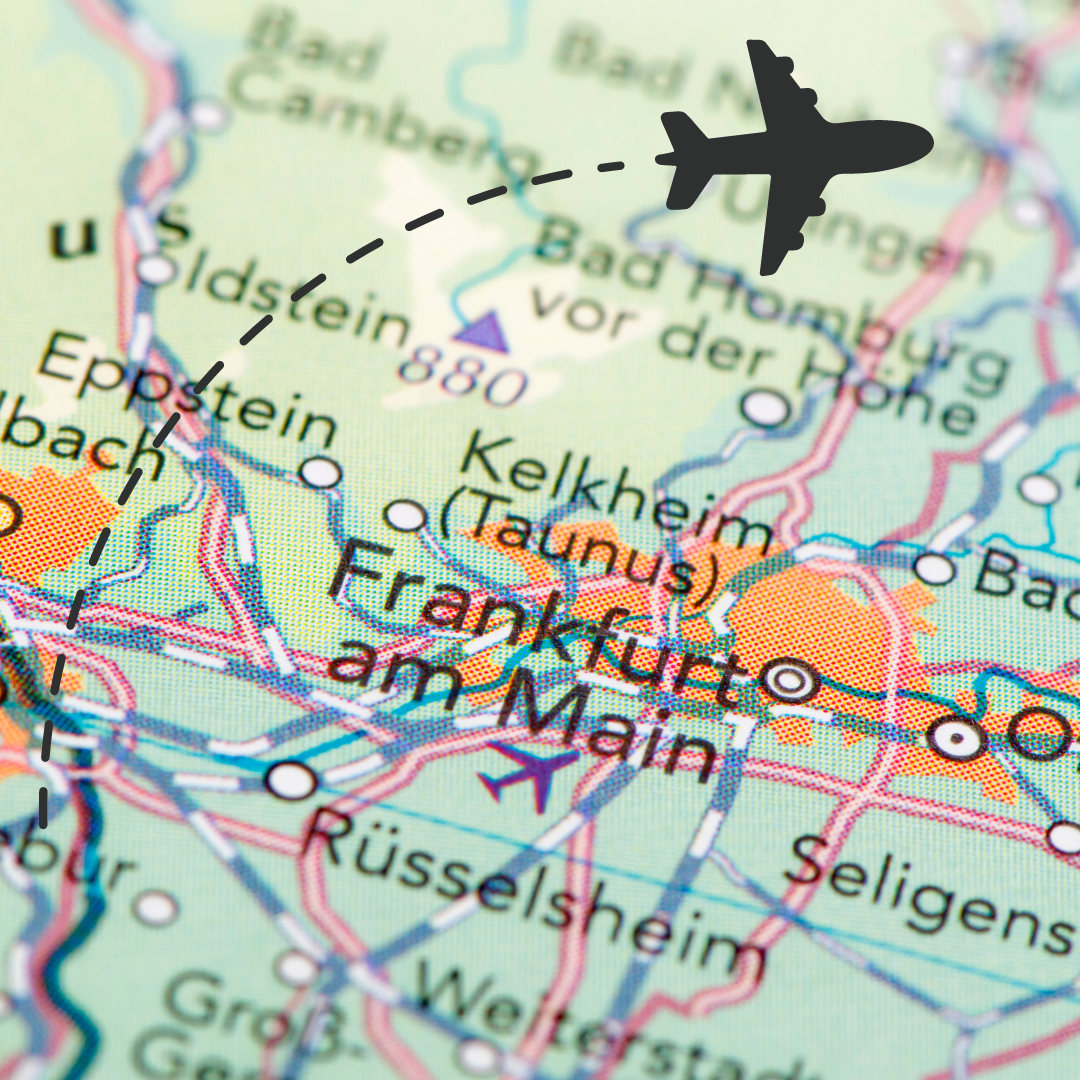
For over two decades ending in 1987, the extension of Frankfurt Airport through the construction of a new runway (Startbahn 18 West) was accompanied by vocal protests. This study aims to explain why the runway extension attracted such long-lasting controversy and protest.
Environing Infrastructure (2020–2025)

“Environing Infrastructure: Communities, Ecologies, and China’s ‘Green’ Development in Contemporary Southeast Asia” is a five-year research project (2020–25) funded by the Volkswagen Foundation.
EmpowerUs (2022–2025)
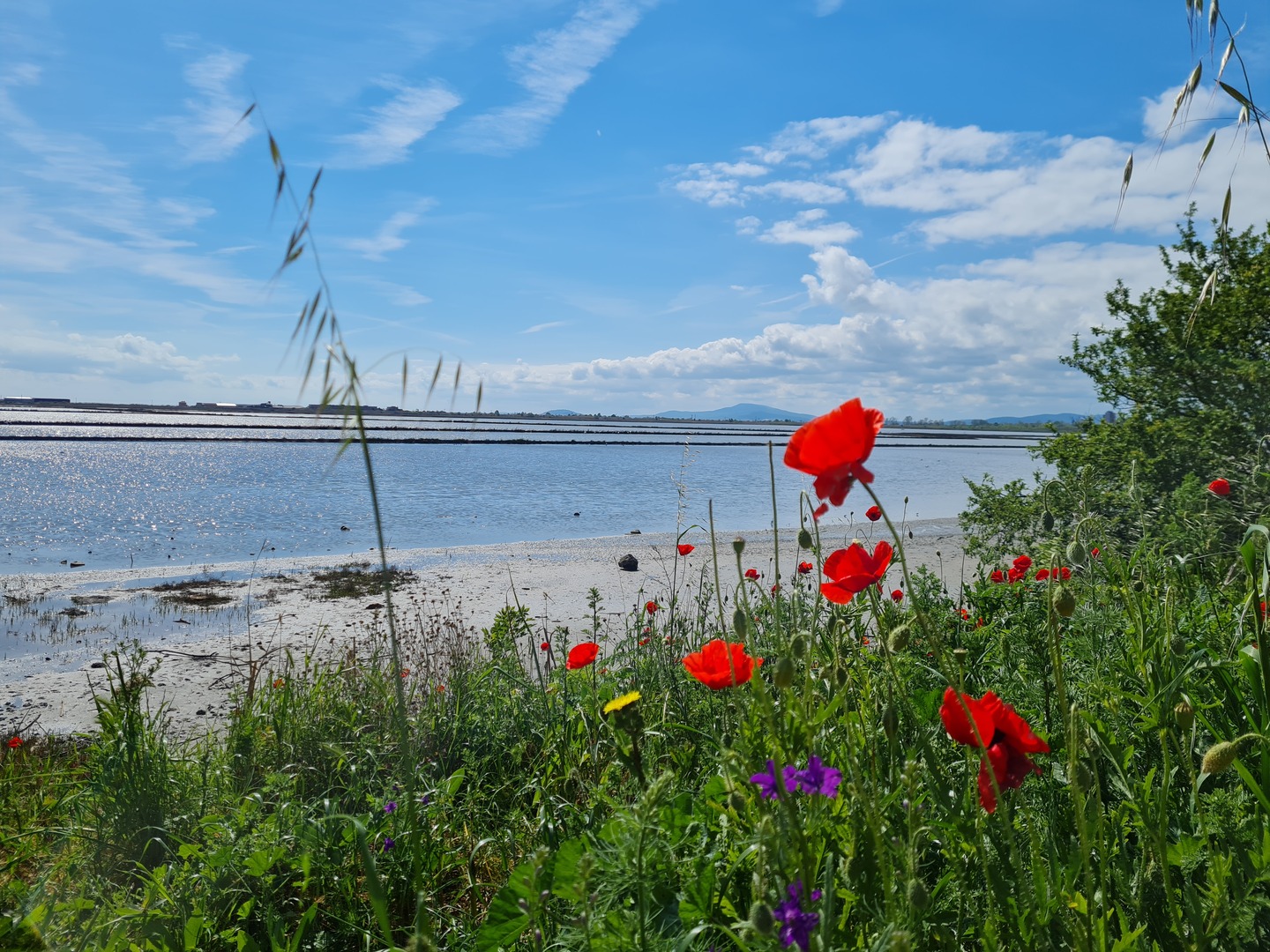
“EmpowerUs: Socio-economic empowerment of coastal communities” is a research and innovation action funded under the European Union’s Horizon Europe program. EmpowerUs will develop an adaptive transformation mechanism via a network of six Transition Coastal Labs across all EU coastal regions to address the myriad of challenges that coastal communities face.
ENHANCE ITN Network (2015–2018)
Environmental Humanities for a Concerned Europe (ENHANCE) is a Marie Curie European Innovative Training Network (ITN) providing multidisciplinary doctoral training in Environmental Humanities.
CHEERS - Cultural HEritagE. Risks and Securing activities (2018–2021)

CHEERS (Cultural HEritagE. Risks and Securing activities) is a European project concerning the protection of cultural heritage exposed to environmental risks (natural disasters, climate change, etc.).
Half-Lives/Afterlives (2021–2023)
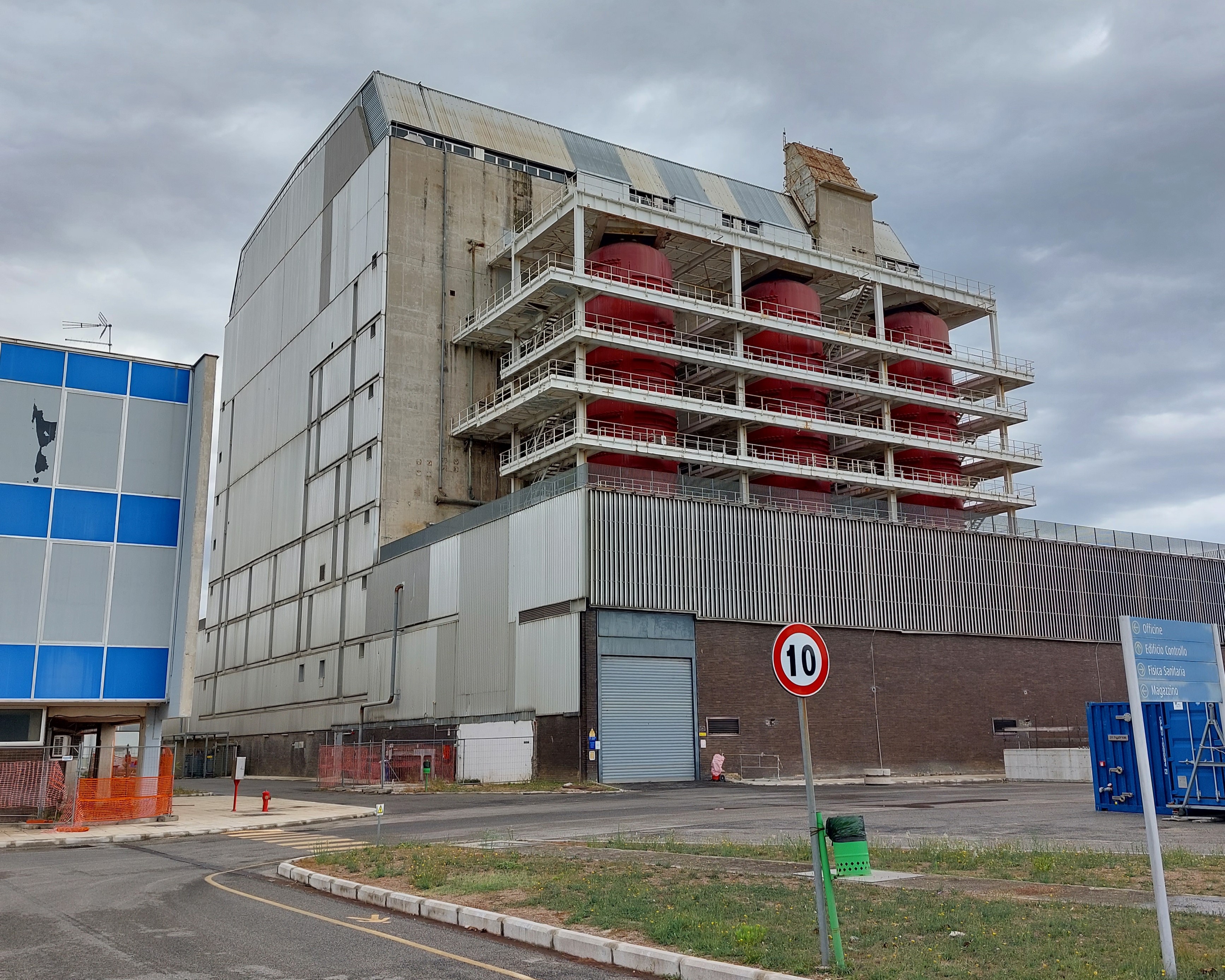
NUCLEARDECOM is funded by the EU Marie Skłodowska Curie Action Program and proposes a comparative, interdisciplinary approach to the current discussions around nuclear decommissioning.
Hazardous Travels (2014–2023)
The DFG Emmy-Noether Research Group “Hazardous Travels: Ghost Acres and the Global Waste Economy” investigates structures and dynamics of hazardous waste trade since the 1970s.
Issues with Europe (2018–2021)
The D-A-CH project “Issues with Europe—A Network Analysis of the German-speaking Alpine Conservation Movement (1975–2005)” investigates the complex negotiation processes in European politics by analyzing European transport policy in the Alps.
Anthropocene Project (2012–2016)
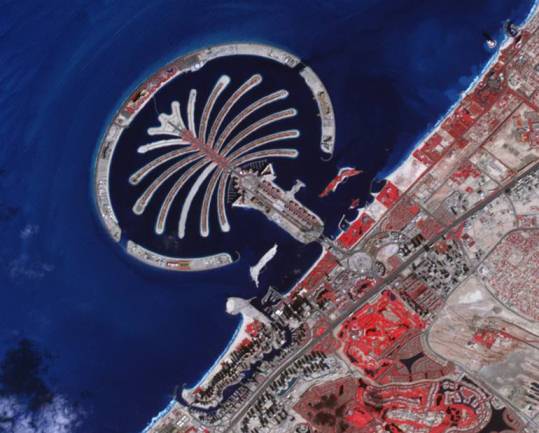
This project explores the implications of the Anthropocene as a scientific concept and normative category.
Making Green Germany (2019–2024)
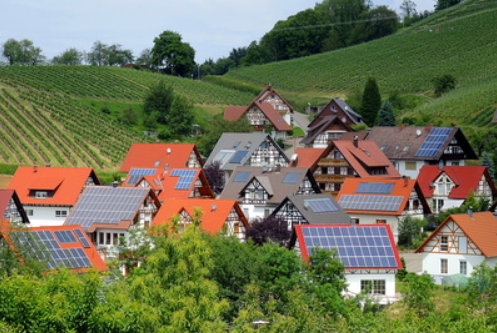
“Making Green Germany” studies the roots of German climate politics in the 1980s and 1990s. It is funded by the DFG.
Rights of Nature in Transatlantic Perspective (2016)
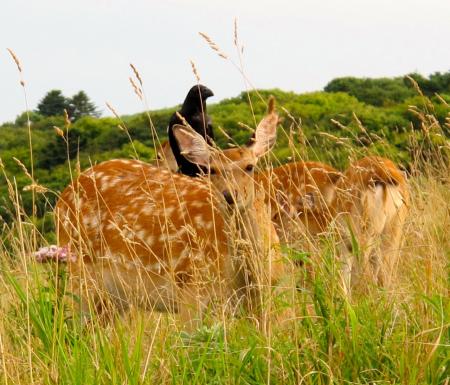
This cooperative project between Universidad Nacional del Litoral in Santa Fe, Argentina, and the RCC promotes transatlantic dialogue on the rights of nature.
OFFSHORE: Energy Cultures of the North Sea (2021–2025)
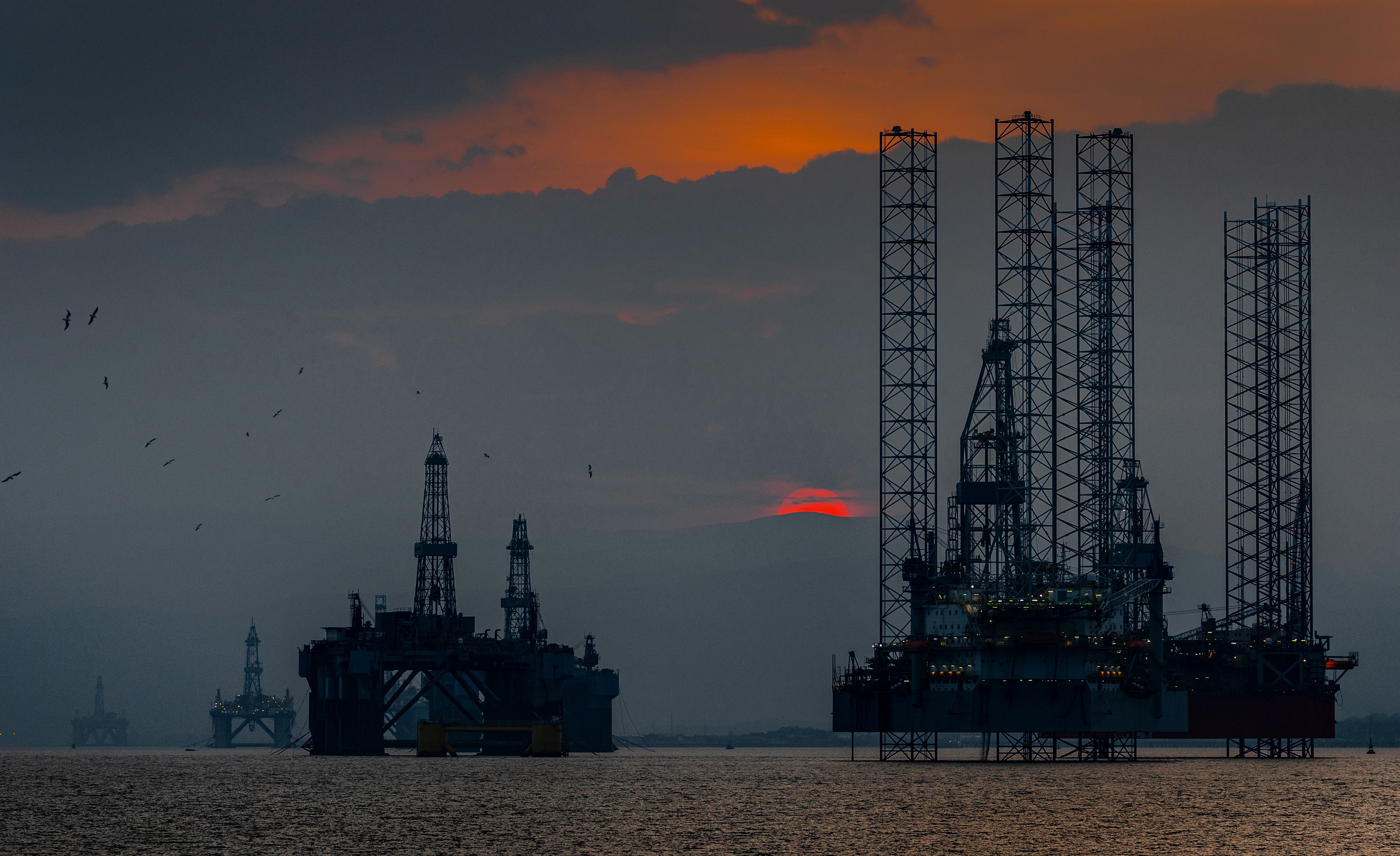
“OFFSHORE” focuses on the cultural imagination of energy and energy production around the North Sea through the analysis of literary texts and visual media from the UK and Scandinavia. The project is funded by Deutsche Forschungsgemeinschaft.
RECOMS Innovative Training Network (2018–2022)
The Rachel Carson Center is participating in RECOMS, Resourceful and Resilient Communities, a Marie Skłodowska Curie (MSCA) Innovative Training Network (ITN) funded by the European Commission.
The Marine Environmental Awareness (2018–2023)
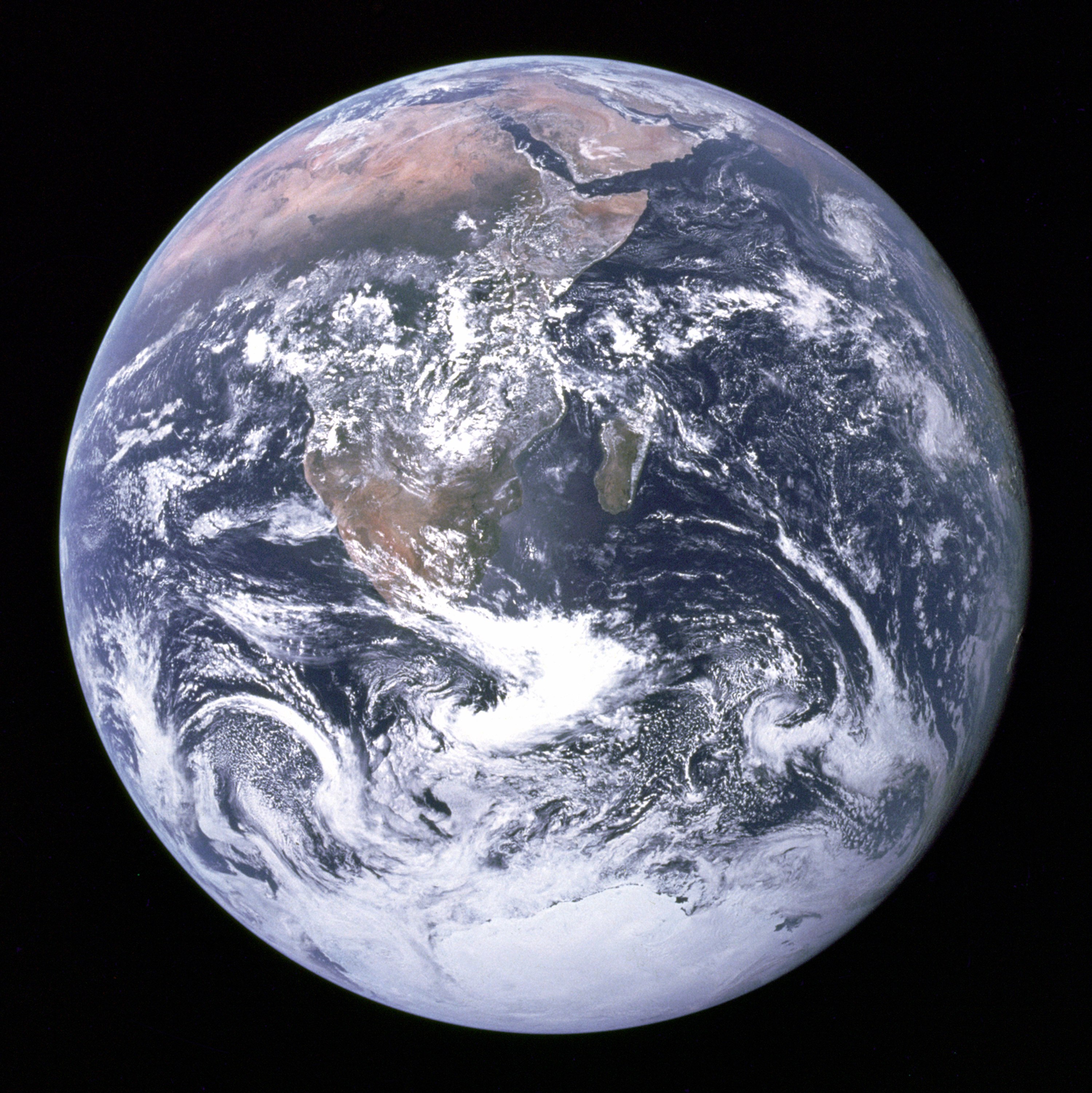
“The Marine Environmental Awareness” investigates how concepts of the environment have been formed by ocean sciences, especially marine biology during the 19th and 20th centuries. The project is funded by the DFG.
Transformations in Environment and Society (2021–2023)

The Rachel Carson Center hosts a Kolleg-Project funded by the Federal Ministery of Research and Education (Käte Hamburger Kolleg funding). Its thematic focus is on “Transformations in Environment and Society.”
Waste and Society (2013–2014)
With the LMU Munich Center for Advanced Studies (CAS), the RCC launched a new research cluster in 2013: “Waste in Environment and Society.”
Climates of Migration (2012–2014)

The project looks at the historical intersections between environmental change and migration, in particular past climate-induced movements of people.
Sustainability Lecture Series (2011–2012)
Leading up to the Rio+20 Summit, these lectures presented multifaceted research on sustainability to inspire citizens to participate in bringing about social change.
Global Environments Summer Academy (GESA) (2011–2015)
The Global Environments Summer Academy (GESA) is a collaboration between the RCC and the Global Diversity Foundation.
Environment and Memory: Towards an Archaeology of Environmentalism (2010–2014)

Environment and Memory is a concept that draws strongly on the tradition of critical history pursuant to Pierre Nora’s lieux de mémoire.
Atmosphere & Algorithms: Philosophical and Historical (2010–2012)

This project integrated researchers from Germany, Sweden, Denmark, and Great Britain to contribute to our understanding of environmental knowledge.